Cultural Differences
Bridge Cultures, Build Inclusive Workplaces

Cultural differences are the various beliefs, behaviors, languages, practices, and expressions considered unique to members of a specific ethnicity, race, or national origin. Recognizing these differences is crucial for creating inclusive work environments that attract diverse talent and foster a culture of respect and collaboration. Additionally, regional, industry-specific, and generational distinctions in communication styles, work-life balance, decision-making, compensation, and workplace norms can significantly influence recruitment strategies and team dynamics.
Please continue reading below to learn more about how these cultural and regional factors shape expectations in the workplace, from work-life balance and communication styles to compensation practices and evolving trends in remote work.
Regional Differences in Hiring and Work Culture
Understanding regional nuances can significantly impact recruiting success. Here's a snapshot of key characteristics across different U.S. regions:
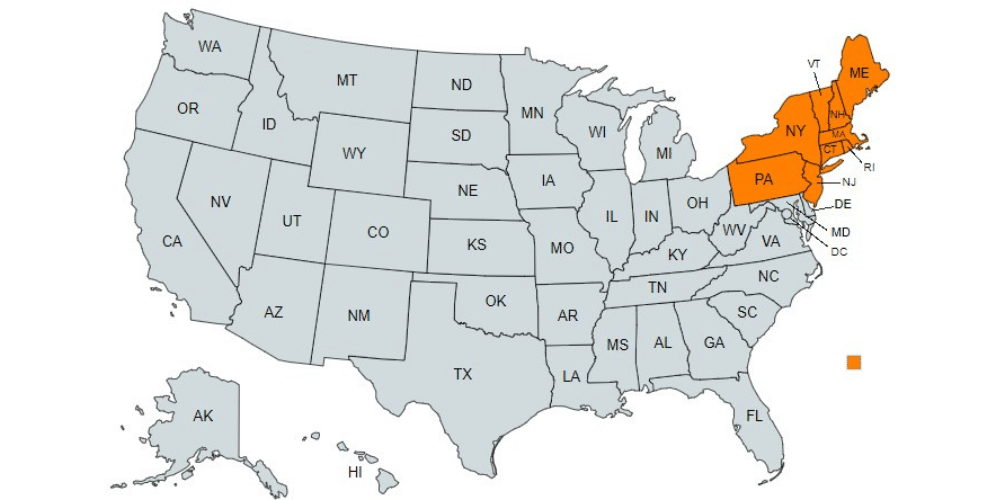
Northeast Region
- Work Environment: Formal and fast-paced
- Key Priorities: Emphasis on educational background and credentials
- Communication Style: Direct, clear, and to the point
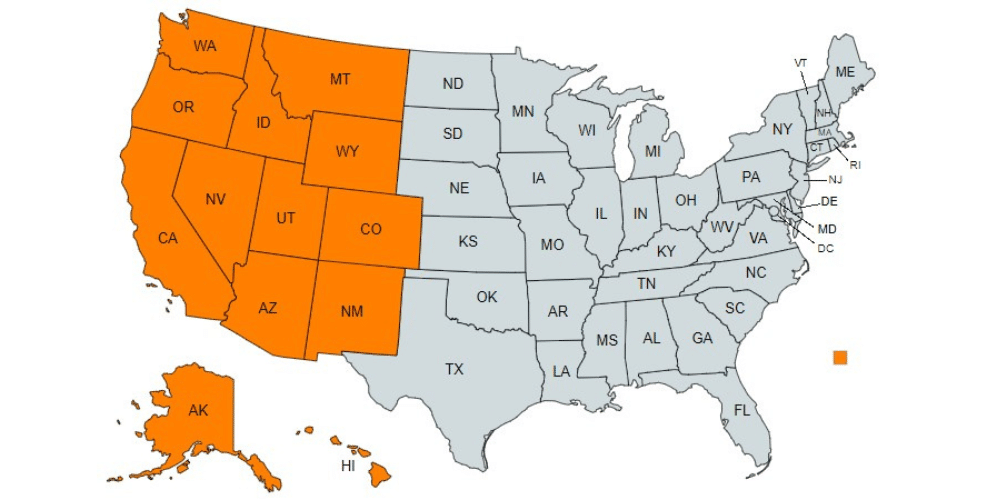
West Coast Region
- Work Environment: Casual and laid-back
- Key Priorities: Innovation and technical skills
- Work-Life Balance: Highly valued, often integrated into company culture
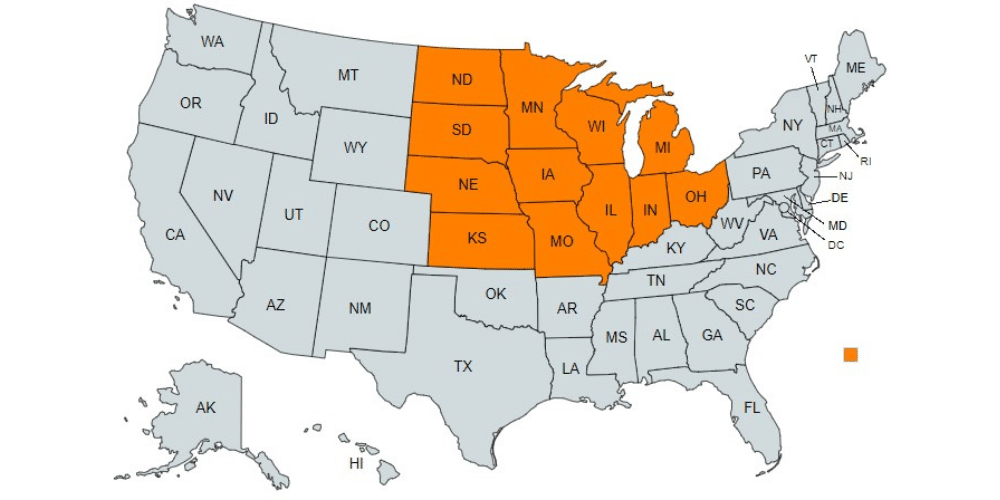
Midwest Region
- Work Environment: Traditional, with a strong work ethic
- Key Priorities: Loyalty, community focus, and teamwork
- Communication Style: Prefers face-to-face interactions for building trust
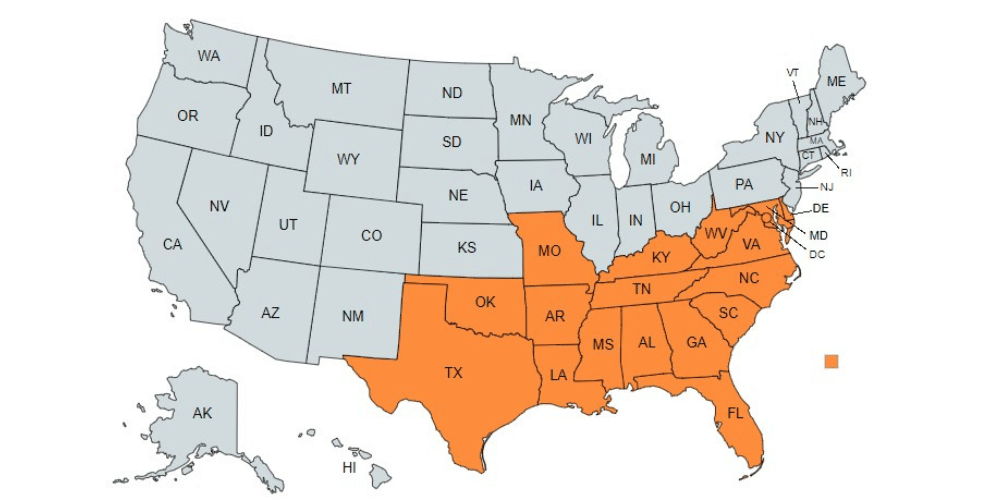
South Region
- Work Environment: Relationship-oriented, often more hierarchical
- Key Priorities: Respect, politeness, and indirect communication
- Communication Style: Diplomatic and courteous
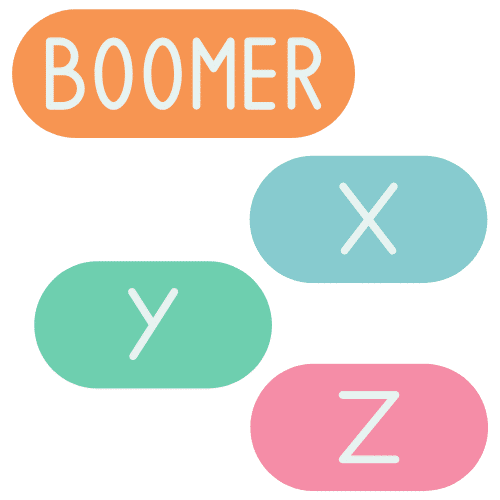
Understanding work-life balance and compensation trends is crucial for organizations aiming to attract and retain talent in a competitive job market.
- Work-Life Balance: Coastal cities (e.g., finance, law) often expect longer hours with comprehensive benefits, while smaller cities and rural areas prioritize work-life balance and community involvement.
- Compensation & Benefits: Salary transparency is increasing, especially in tech. Traditional industries may keep salary private. Health insurance remains crucial, while mental health support and wellness programs are gaining importance. Unlimited PTO and flexible work arrangements are becoming more common.
Recognizing communication styles, decision-making processes, and formality levels is essential for fostering effective collaboration and understanding within diverse teams.
- Communication Styles: Direct communication is common in the Northeast and West Coast, while the South and Midwest may prefer indirect, relationship-based communication.
- Decision-Making Processes: Traditional industries tend to have hierarchical decision-making, while tech and startups prefer collaborative approaches.
- Formality Levels: Tech and startups are generally more informal, while finance, law, and traditional industries maintain more formal practices.
Awareness of recruitment process differences is vital for companies looking to streamline hiring and attract the right candidates.
- Speed of Process: Startups and tech companies usually have faster hiring cycles, while larger corporations and government bodies tend to have longer, structured processes.
- Education Bias: Prestigious institutions (e.g., USC, Harvard) may be favored over equally good state universities, and hiring teams may hold biases.
- Family Background & Personal Life: Wealth and family stature, as well as personal factors like having children, can sometimes influence hiring biases.
Understanding workplace traditions and rituals is important for building a cohesive company culture that aligns with employee expectations.
- Company Meetings & Ceremonies: Tech companies often have regular "all hands" meetings, while traditional corporations may hold quarterly or annual town halls. Recognition varies from employee awards to performance bonuses.
- Holiday Celebrations & Team Building: Regional and industry-specific differences affect how companies celebrate, ranging from outdoor activities to formal retreats.
- Dress Codes & Appearance: Dress expectations range from formal suits in finance and law to casual attire in tech. Tattoos, piercings, and diverse hairstyles are becoming more accepted in many industries.
Recognizing language and diversity considerations is crucial for creating an inclusive workplace that values diverse backgrounds and perspectives.
- Languages: English remains dominant, but Spanish is increasingly valuable, especially in customer-facing roles. Regional influences include French in Louisiana and Spanish in the Southwest.
- Diversity Considerations: Industries are becoming more inclusive of diverse grooming styles, religious attire, and appearance standards, although conservative expectations still exist in some customer-facing or traditional sectors.
Staying attuned to evolving workplace norms is essential for organizations aiming to remain competitive and relevant in today's job market.
- Remote Work: The pandemic has made remote work a permanent feature in many industries, expanding talent pools and transforming recruitment strategies.
- Sustainability & Wellness: Companies are increasingly focusing on sustainability and employee wellness initiatives, which are particularly important to younger generations and influence employer branding.